

Effective on March 21st, 2013
This privacy statement describes how PassDIY collects and uses the personal information you provide on our Web site: passdiy.com. It also describes the choices available…
Read PassDIY Full Terms of Use


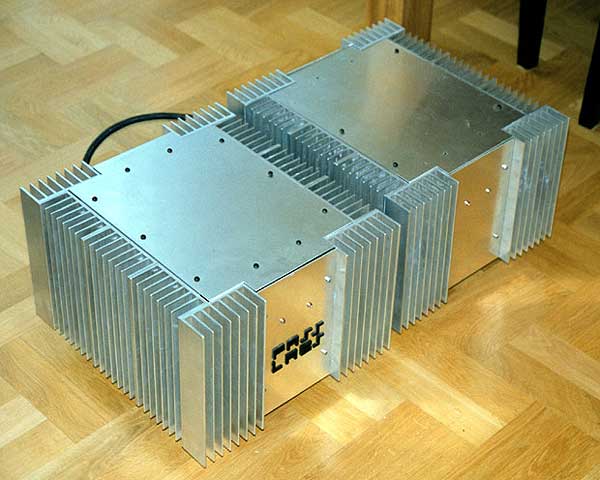
Pre-Amplifiers Within the Pass Labs pre-amplifier family we typically see two installation errors, both involving cable issues. The most common error concerns improper sequence of cable connection for our pre-amplifiers with dedicated outboard power supplies. The last cable attached to these preamplifier products must always be the power cord. Attach these cables out of sequence and the logic circuitry in these particular products may cause them to self protect. The power cord must be plugged into the power supply chassis after all other cables are attached and lastly plugged into mains power. If you have done this out of sequence,… More...
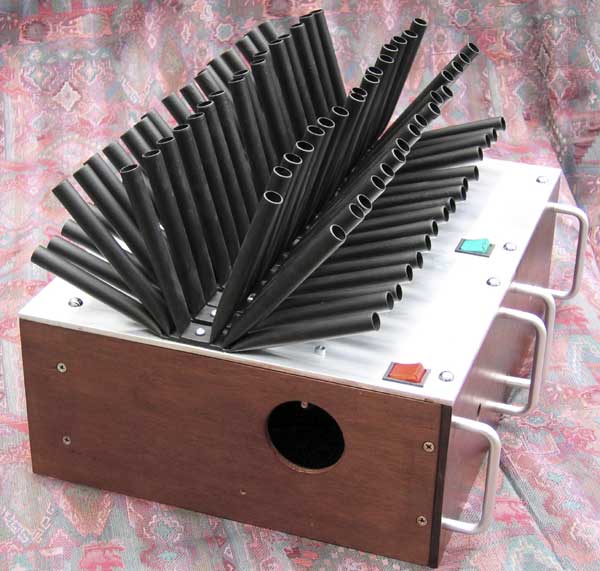
As an exploration into the potential performance of a very simple amplifier, the Zen amplifier has succeeded in creating notoriety and some controversy over the last 8 years. More importantly, it's novel and simple construction appears to have encouraged a large number of doit- yourselfers to take up a soldering iron and jump in. Having only a single gain device, the design's name is a pun on the Zen Koan, "What is the sound of one hand clapping?", but the point is quite serious. High quality sound can be obtained with simple and accessible circuits. Conversely, it is quite easy… More...
Copyright © 2016 Pass Laboratories, Inc. All rights reserved
Telephone: 530.878.5350