

Effective on March 21st, 2013
This privacy statement describes how PassDIY collects and uses the personal information you provide on our Web site: passdiy.com. It also describes the choices available…
Read PassDIY Full Terms of Use


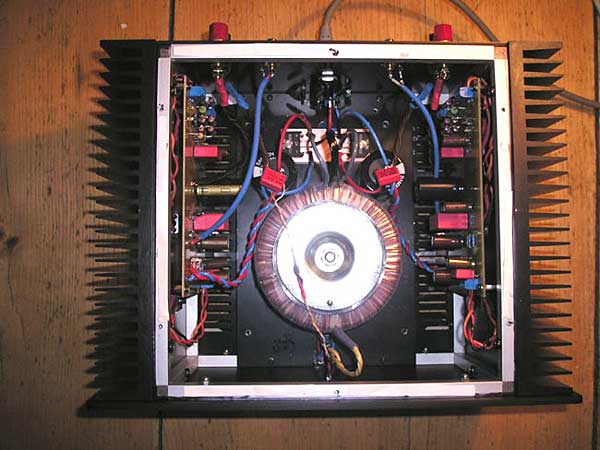
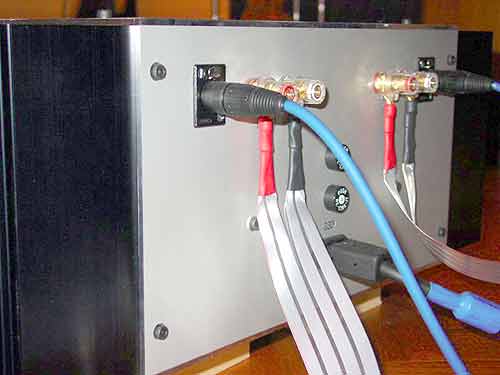
As an exploration into the potential performance of a very simple amplifier, the Zen amplifier has succeeded in creating notoriety and some controversy over the last 8 years. More importantly, it's novel and simple construction appears to have encouraged a large number of doit- yourselfers to take up a soldering iron and jump in. Having only a single gain device, the design's name is a pun on the Zen Koan, "What is the sound of one hand clapping?", but the point is quite serious. High quality sound can be obtained with simple and accessible circuits. Conversely, it is quite easy… More...
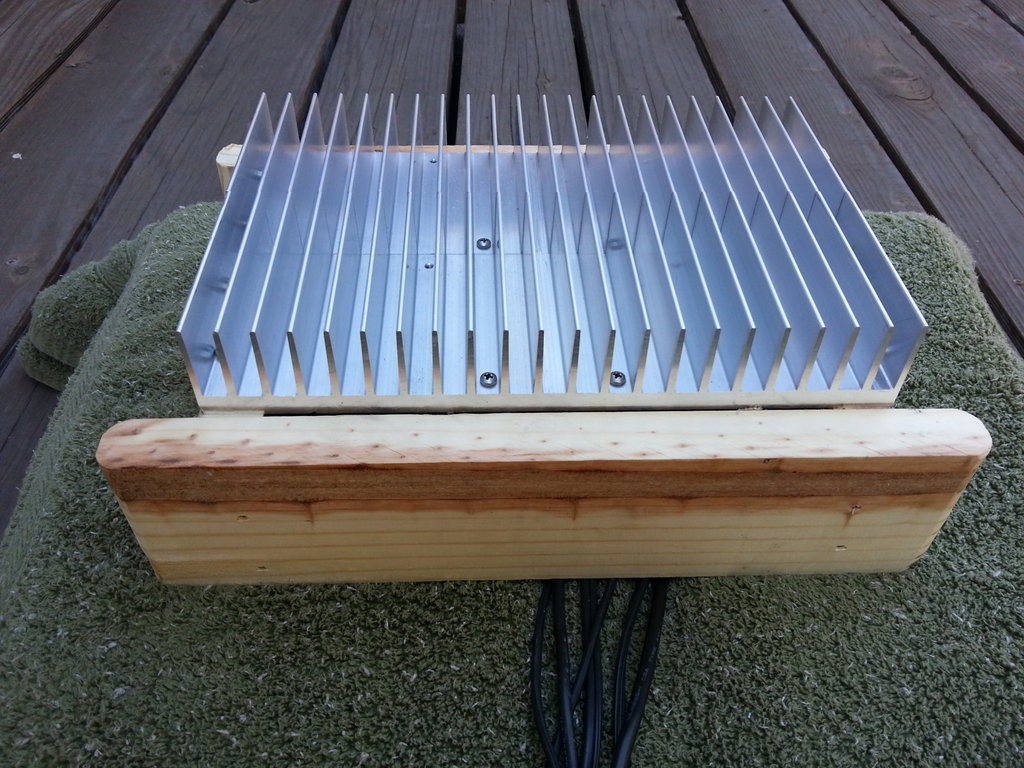
Here are some great project-submissions folks wanted to show-off. They don't directly correspond with a single PassDIY project, but we still fealt like they should have a home. Great work everyone! More...
Copyright © 2016 Pass Laboratories, Inc. All rights reserved
Telephone: 530.878.5350